Trust, Then Verify: Protecting Your Business from AI-Powered Payment Fraud
GBC | Customer Education
For many businesses, one trusted employee handles accounts payable,
payroll, vendor payments, and wire transfers. While that may be efficient, it
also creates a significant target for cybercriminals.
At Georgia Banking Company, we regularly talk with business owners who
are surprised by how sophisticated payment fraud attempts have become. What
once looked like an obvious scam can now appear as a legitimate request from a
trusted executive, vendor, or business partner.
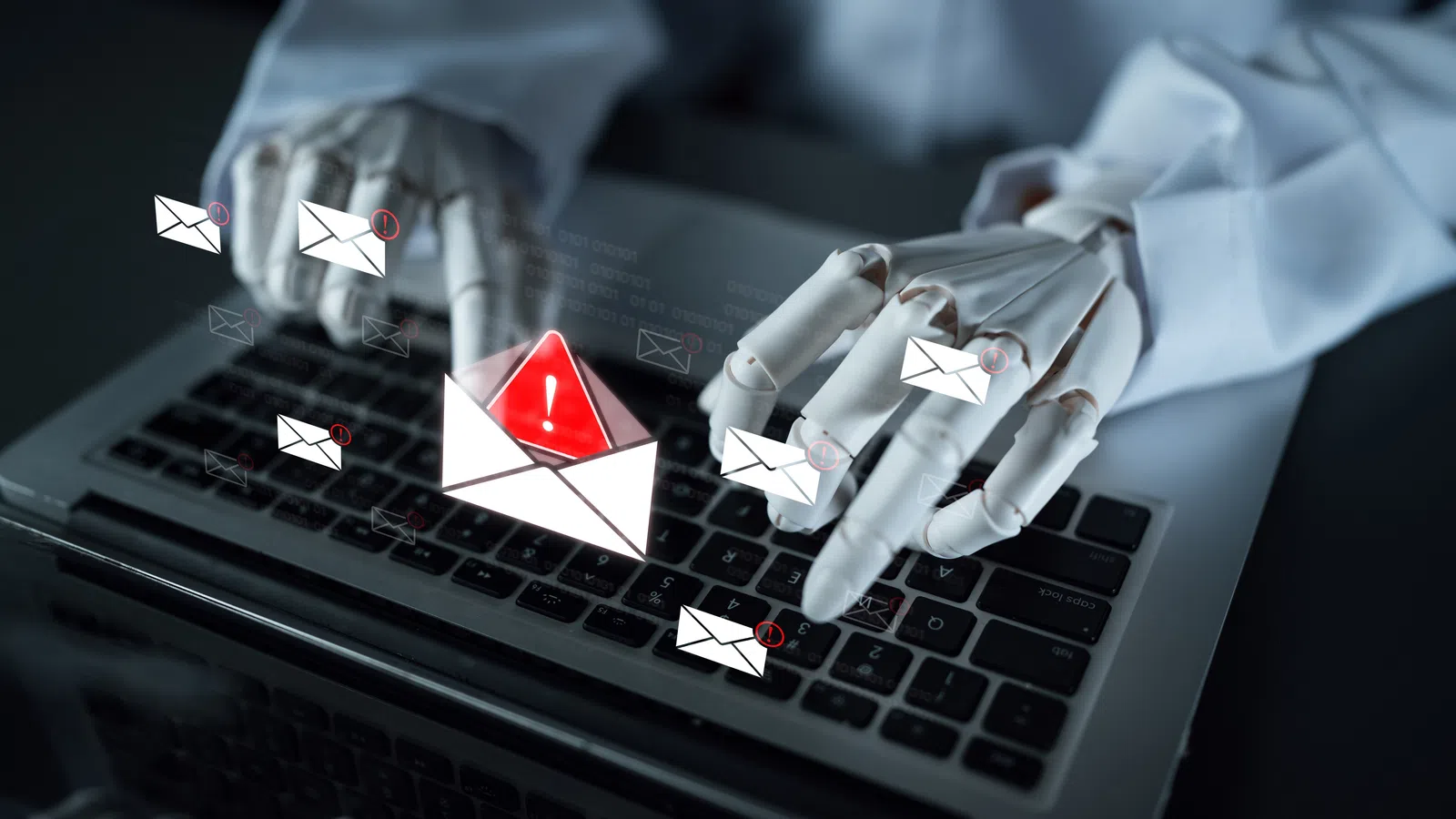
Today, fraudsters are using artificial intelligence to create highly
convincing emails and messages that are increasingly difficult to detect. AI
can help attackers craft communications that mimic the writing style, tone, and
urgency of familiar contacts, making phishing and business email compromise
scams more effective than ever. These attacks are becoming more convincing and
are often designed to trick recipients into transferring funds, clicking
malicious links, or sharing sensitive information.
Why These Attacks Work
The most successful scams don't rely on technology alone. They rely on
human behavior.
An email arrives requesting an urgent wire transfer. A vendor suddenly
changes payment instructions. A message from the "CEO" asks for a
payroll adjustment that needs to happen immediately.
What do these scenarios have in common?
Urgency.
Cybercriminals want employees to act before they have time to think,
question, or verify.
At GBC, we encourage businesses to evaluate not only their cybersecurity
defenses but also their payment approval procedures. Even the most advanced
technology can be bypassed if a fraudulent request is processed without proper
verification.
The New Reality of AI-Generated Fraud
AI-powered tools allow criminals to create realistic messages that
closely resemble communication from executives, vendors, and trusted partners.
This means businesses can no longer rely solely on a familiar sender
name, company logo, or professional-looking email as proof that a request is
legitimate.
That's why many organizations are implementing stronger payment controls,
dual approval requirements, and verification procedures. GBC's Treasury
Management team works with businesses to review payment workflows and identify
opportunities to reduce fraud risk while maintaining efficiency.
Three Ways to Reduce Your Risk
1. Verify Requests by Phone
If a payment request arrives unexpectedly, especially one involving a
wire transfer, ACH payment, vendor change, or payroll adjustment, verify it
through a known phone number before taking action.
Do not use contact information included in the email. Instead, call a
number already on file or listed on the company's official website.
A simple phone call can prevent a costly mistake.
GBC also recommends establishing documented procedures for verifying
payment changes so employees know exactly what steps to take before funds are
released.
2. Slow Down Urgent Requests
Fraudsters know that urgency can override caution.
Before sending money, pause and ask:
- Was I expecting
this request?
- Is this a
normal payment process?
- Has anything
changed unexpectedly?
- Has the request
been independently verified?
One of the most effective fraud prevention tools costs nothing at all:
taking a moment to slow down.
GBC's Treasury Management specialists often remind clients that
legitimate requests can withstand a few extra minutes of verification.
Fraudsters, on the other hand, depend on rushed decisions.
3. Train Employees to Spot Phishing
Attempts
Technology is important, but employee awareness remains one of the
strongest defenses against fraud.
Regular training should help employees recognize:
- Unexpected
payment requests
- Messages
demanding immediate action
- Suspicious
links or attachments
- Requests for
sensitive information
- Emails
appearing to come from executives or vendors that seem unusual
At GBC, we believe fraud prevention is a team effort. Businesses that
regularly educate employees about emerging threats are often better equipped to
recognize suspicious activity before financial losses occur.
Your Banking Partner Should Be Part of
Your Fraud Prevention Strategy
Protecting your business requires more than cybersecurity software.
It requires strong internal controls, informed employees, secure payment
processes, and a banking partner that understands today's fraud landscape.
Georgia Banking Company's Treasury Management team works closely with
businesses to help evaluate payment practices, discuss fraud prevention
strategies, and implement solutions designed to enhance security and control.
Whether you're managing payroll, processing vendor payments, or initiating wire
transfers, we're here to help you navigate evolving risks with confidence. Schedule time with one of our Bold Bankers to start a conversation.
Trust, But Verify
In today's environment, even legitimate-looking emails can be fraudulent.
A familiar sender name is no longer enough.
Whether you're processing payroll, paying vendors, or approving wire transfers, make verification part of your routine. A quick phone call may feel like an extra step, but it can be the difference between protecting your business and becoming the next victim of fraud.
Georgia Banking Company
The Bank of Choice